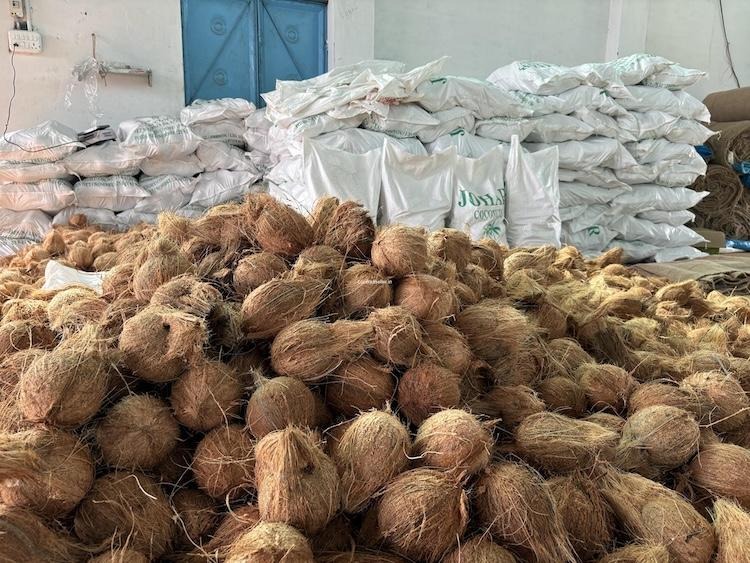
India has emerged as one of the world’s most important players in coconut export, supplying fresh nuts and processed products to a wide network of countries. Between FY16 and FY22, India’s coconut exports grew at a compound annual rate of about 13%, reflecting strong international demand and expanding processing capacity. Fresh coconuts, desiccated coconut, virgin coconut oil and activated carbon from coconut shell are all part of this diverse export basket.
India’s coconut export flows are highly geographical. Vietnam is currently the single largest importer of Indian coconut products, absorbing around 25–40% of export value depending on the year. The UAE and Bangladesh follow as major buyers, together with Malaysia and the USA; combined, these top destinations often account for more than 60% of India’s coconut export turnover. For exporters, this concentration presents both an opportunity to deepen relationships and a risk if demand patterns change.
Policy support and infrastructure have also contributed to India’s coconut export success. The Coconut Development Board, APEDA and various state‑level agencies promote modern cultivation, processing and market access; official data suggest that India contributes almost one‑third of global coconut production. Export‑oriented units benefit from ports spread across both coasts and specialised facilities for handling agricultural cargo.
Looking ahead, there is room to move further up the value chain. While bulk shipments of fresh coconuts and copra remain important, high‑margin opportunities exist in organic certified virgin coconut oil, coconut water in Tetra Pak, coconut flour and ready‑to‑eat coconut‑based snacks. Indian companies that invest in branding, packaging and international certifications can transform coconut export from a pure commodity trade into a differentiated, brand‑driven business.