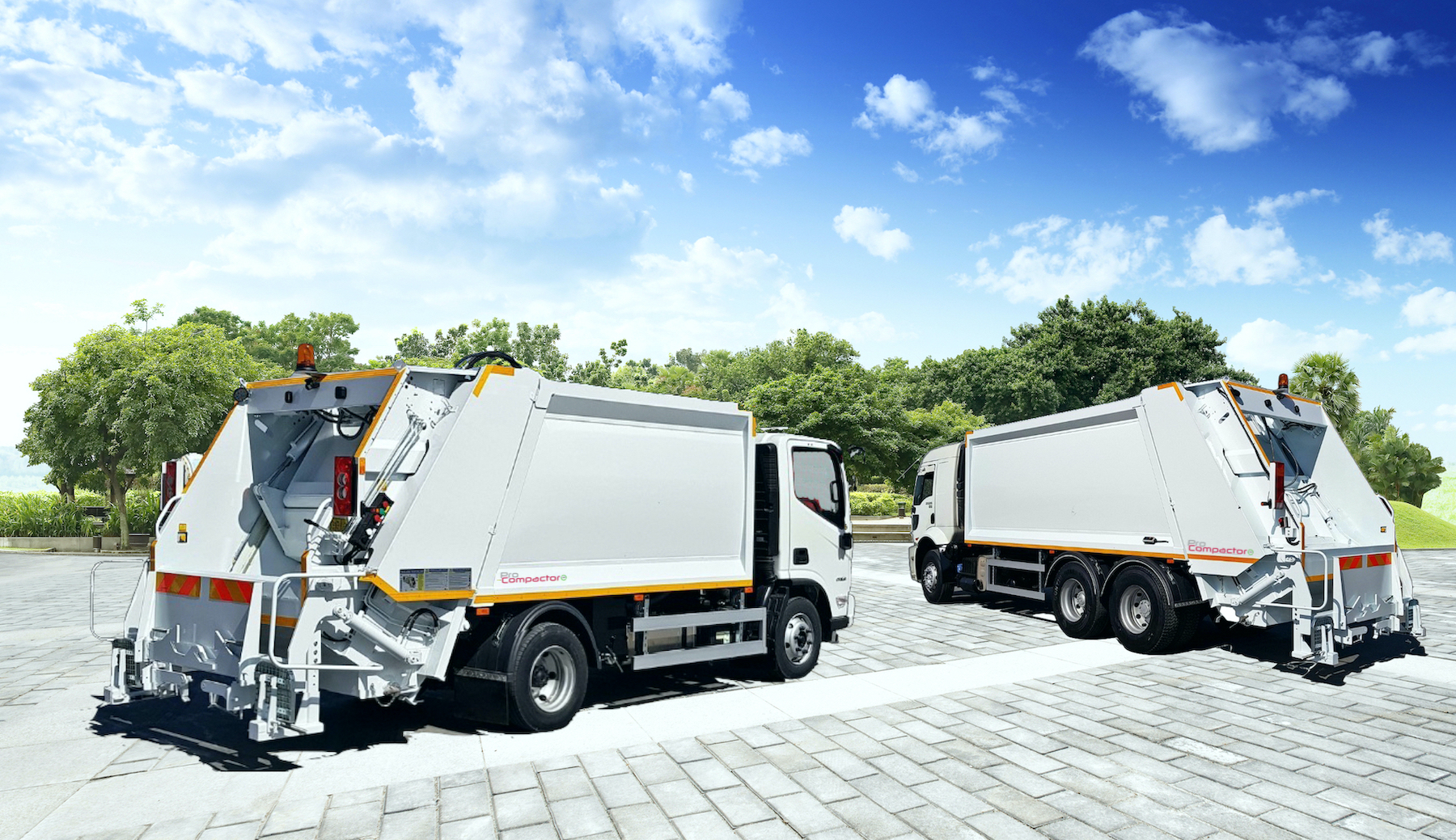
Waste management is a cornerstone of modern urban life, and refuse trucks are at the heart of this operation. They are built to collect, compact, and transport waste efficiently, keeping communities clean and businesses running smoothly. For municipalities and private operators alike, selecting the right refuse truck can significantly impact operational efficiency, costs, and safety.
If you are exploring refuse trucks for sale, you’ll find an array of options. From brand-new models packed with the latest technology to dependable used trucks, buyers have many choices. Understanding the types, key features, and financing options available will help you make a well-informed purchase.
Why Refuse Trucks Are Essential
Refuse trucks are more than just vehicles—they are critical to maintaining public health and environmental safety. They allow for timely waste collection, proper compaction, and safe transportation to disposal or recycling facilities.
Modern trucks come with advanced technology such as automated arms, GPS tracking, and compaction systems. These features not only make collection more efficient but also reduce labor requirements and protect operators from workplace hazards.
Types of Refuse Trucks
Choosing the right truck depends on your specific needs and collection environment. The main types include:
- Rear Loader Trucks – Load waste from the rear, ideal for residential and small commercial routes.
- Front Loader Trucks – Equipped with hydraulic arms to lift dumpsters, perfect for commercial routes.
- Side Loader Trucks – Often automated, allowing a single operator to efficiently collect residential waste.
- Roll-Off Trucks – Designed for transporting large containers, commonly used in construction and industrial applications.
Each type has its strengths, so it’s important to match the truck to your operational requirements.
Key Features to Consider
When evaluating refuse trucks, consider features that improve performance and longevity:
- Compaction Ratio – A higher ratio means fewer trips and lower fuel consumption.
- Capacity – Ensure the truck can handle your typical waste volume.
- Durability – Reinforced steel construction and reliable hydraulics ensure long-term use.
- Fuel Options – Diesel, natural gas, or electric trucks each have advantages and sustainability impacts.
- Automation & Technology – GPS, robotic arms, and safety sensors boost efficiency and protect operators.
Selecting the right combination of features ensures a truck that is reliable and efficient.
New vs. Used Trucks
One major consideration is whether to invest in a new or used truck:
- New Trucks – Offer the latest technology, warranties, and lower early maintenance costs. Ideal for long-term investment.
- Used Trucks – More budget-friendly and can still provide years of service if purchased from a reputable dealer. Inspect service history, mileage, and hydraulics before purchase.
The decision should reflect budget, operational needs, and long-term plans.
The Importance of a Trusted Dealer
Buying from a reputable dealer ensures quality and long-term support. Trusted dealers provide inspection reports, warranties, financing options, and after-sales service. They also supply spare parts and maintenance advice, keeping your truck operational for many years.
Working with a reliable dealer reduces risk and ensures your investment delivers maximum value.
Financing Options
Refuse trucks are a significant investment, but financing solutions make them more manageable:
- Leasing – Lower upfront costs with the option to upgrade vehicles periodically.
- Loans – Spread payments over time while gaining full ownership.
- Fleet Financing – Ideal for companies purchasing multiple trucks at once.
Understanding financing options helps you plan your budget while maintaining quality.
Long-Term Benefits of the Right Truck
Choosing the right refuse truck provides many benefits:
- Operational Efficiency – Fewer trips and faster collection routes.
- Cost Savings – Reduced fuel use and maintenance expenses improve ROI.
- Safety – Automation and modern design protect workers.
- Community Satisfaction – Reliable service builds public trust.
- Environmental Responsibility – Fuel-efficient or electric trucks reduce emissions.
A smart purchase ensures operational excellence and community impact.
Conclusion
The market for refuse trucks for sale offers a wide variety of options for buyers. Understanding the types, key features, and new versus used options is essential for making an informed decision.
Partnering with a trusted dealer and exploring financing options ensures a secure, long-term investment. The right refuse truck improves efficiency, lowers costs, protects operators, and supports cleaner, safer communities.